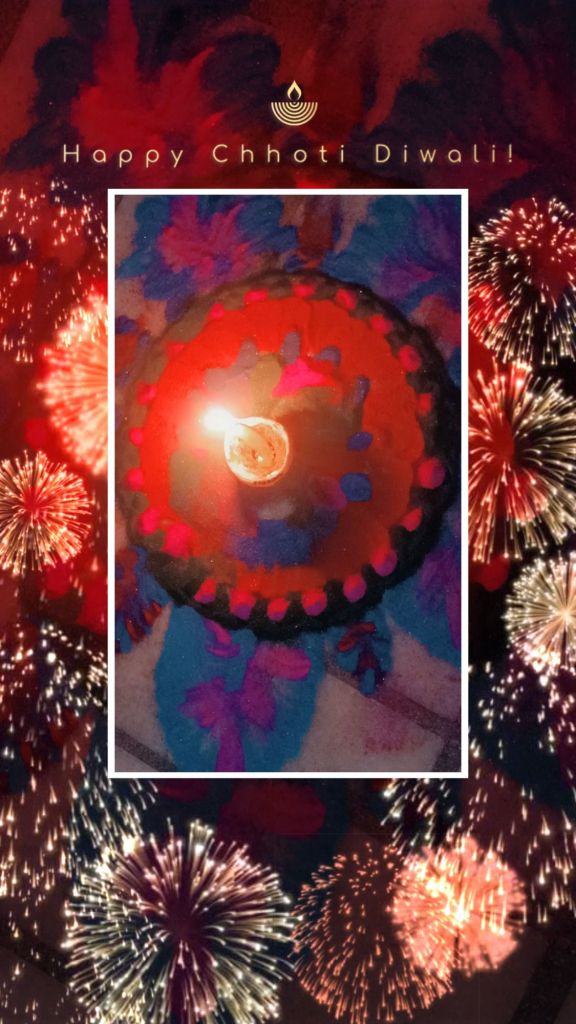
Diwali, also known as Deepavali, is a major Hindu festival celebrated with great enthusiasm across India and other parts of the world. It signifies the triumph of light over darkness, good over evil, and knowledge over ignorance. The festival typically lasts five days, with each day holding its own significance.
Key Aspects of Diwali:
1. Historical Significance:
It marks the return of Lord Rama to Ayodhya after a 14-year exile and his victory over Ravana.
In some regions, it is associated with the worship of Goddess Lakshmi, the goddess of wealth and prosperity.
2. Cultural Traditions:
Cleaning and decorating homes with rangoli and diyas (oil lamps).
Performing prayers (pujas) dedicated to deities like Lakshmi and Ganesha.
Exchanging gifts and sweets with loved ones.
3. Celebration Highlights:
Lighting up homes and streets with candles, diyas, and fairy lights.
Bursting firecrackers, although eco-friendly celebrations are encouraged.
Feasting on traditional delicacies like sweets (laddoos, kaju katlis) and snacks.
4. Five Days of Diwali:
Day 1 (Dhanteras): Shopping for gold, silver, and utensils.
Day 2 (Naraka Chaturdashi): Known as Chhoti Diwali, symbolizing the victory over Narakasura.
Day 3 (Diwali): Main day of celebrations with Lakshmi Puja.
Day 4 (Govardhan Puja): Honoring Lord Krishna for lifting Govardhan Hill.
Day 5 (Bhai Dooj): Celebrating the bond between brothers and sisters.


 pooja rani
Leave a reply to Pooja rani Cancel reply